Perspective · the future of AI
AI accelerates the process. It doesn’t replace the craft.
Every studio has a take on AI right now. Ours, plainly: we use it constantly, and we have never let it direct a shoot, cast a talent or make a final creative call.
Scroll
Concepting
AI can draw a thousand versions of an idea.
Concepts, hooks, frames and edits, in more variations than a team could ever sketch by hand.
Testing
We run every one through it before a budget is spent.
Every hook and visual direction is tested with AI first. Most fall away. A few hold up.
The call
Choosing the one that serves the brand stays human.
Then a person makes the call, and the craft takes over: casting, direction on set, the light, the final cut.
Drag the pair
The short version
Designed, not generated. That line was never about refusing the tools.
It was about who is still holding the pen. “Designed, not generated” is the first thing we say about our own work, and it has not changed since AI got good enough to matter in production. What has changed is how much of the unglamorous middle of the process AI now handles for us.
Concepting, hook testing, research, first edits, variation at scale. The parts of production that used to be guesswork now get tested, and we are not precious about saying so.
What we have not automated, and do not intend to: the judgment on what gets shot, who is in front of the camera, how a set is lit and which take makes the cut. That is the craft, and it is what a brand is paying a creative studio for.
Where it helps
Three places AI is part of how we work.
- Concept stress testingEvery hook and visual direction is run and tested with AI before we commit a production budget to it.
- Variation at scaleVariations, rough cut assembly and research, with AI in the loop, so the hours go to the parts of post that need a human eye.
- Reading the audienceEarlier signal on what a hook or a cut is likely to do before it is live. It informs the call. It does not make it.
Where it does not
Four calls that stay human, on every project.
- Casting and talentWe cast our own faces and talent to fit the brand. That is a relationship call, not a data problem.
- Direction on setLight, blocking and performance are decided in the room, in the moment, by the director.
- The final cutAI can generate ten versions of an edit. Choosing the one that serves the brand is a human judgment.
- What ships with our name on itEvery deliverable gets a human sign off before a client sees it, however the draft was made.
Generated worlds, finished by hand
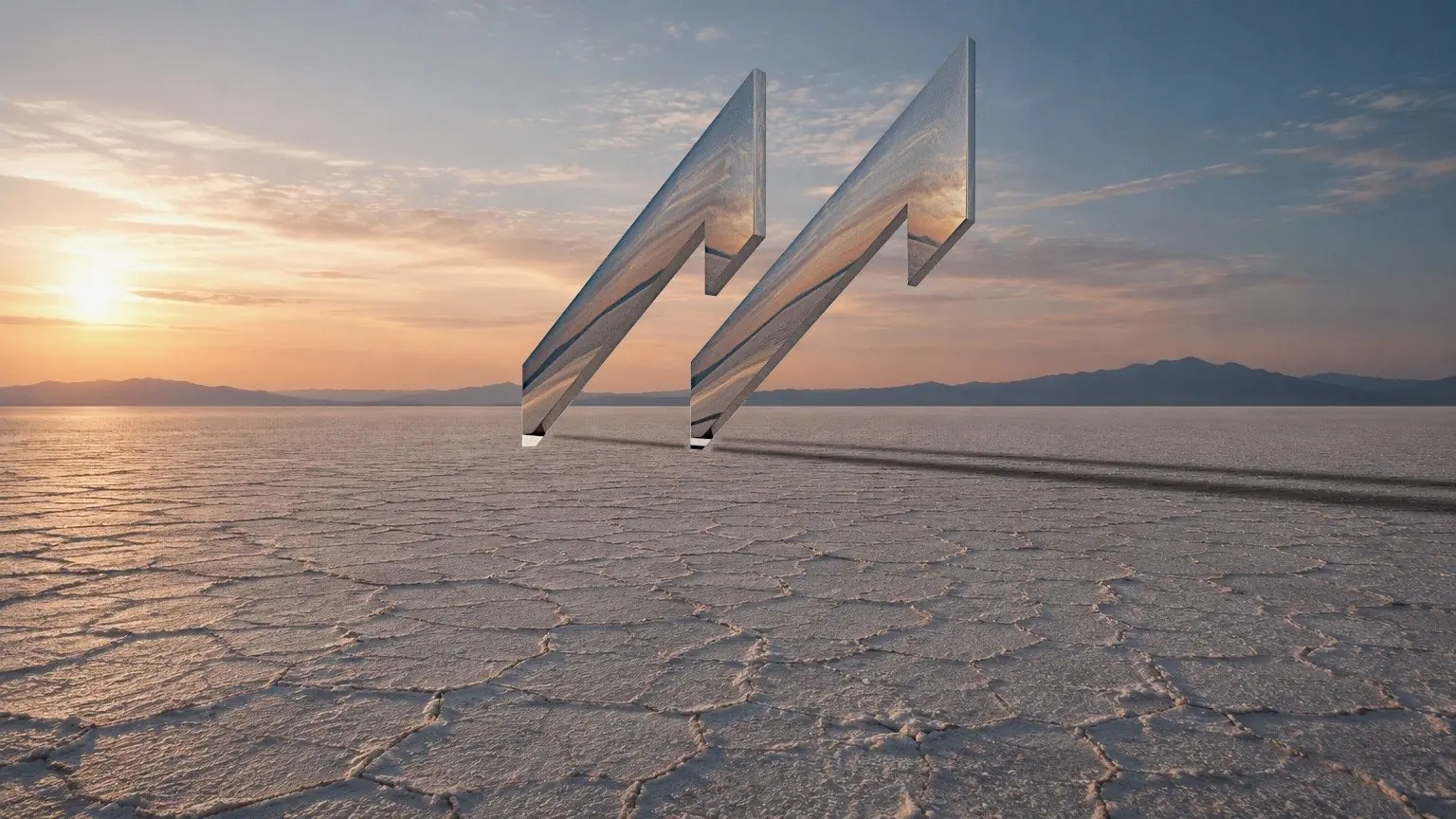
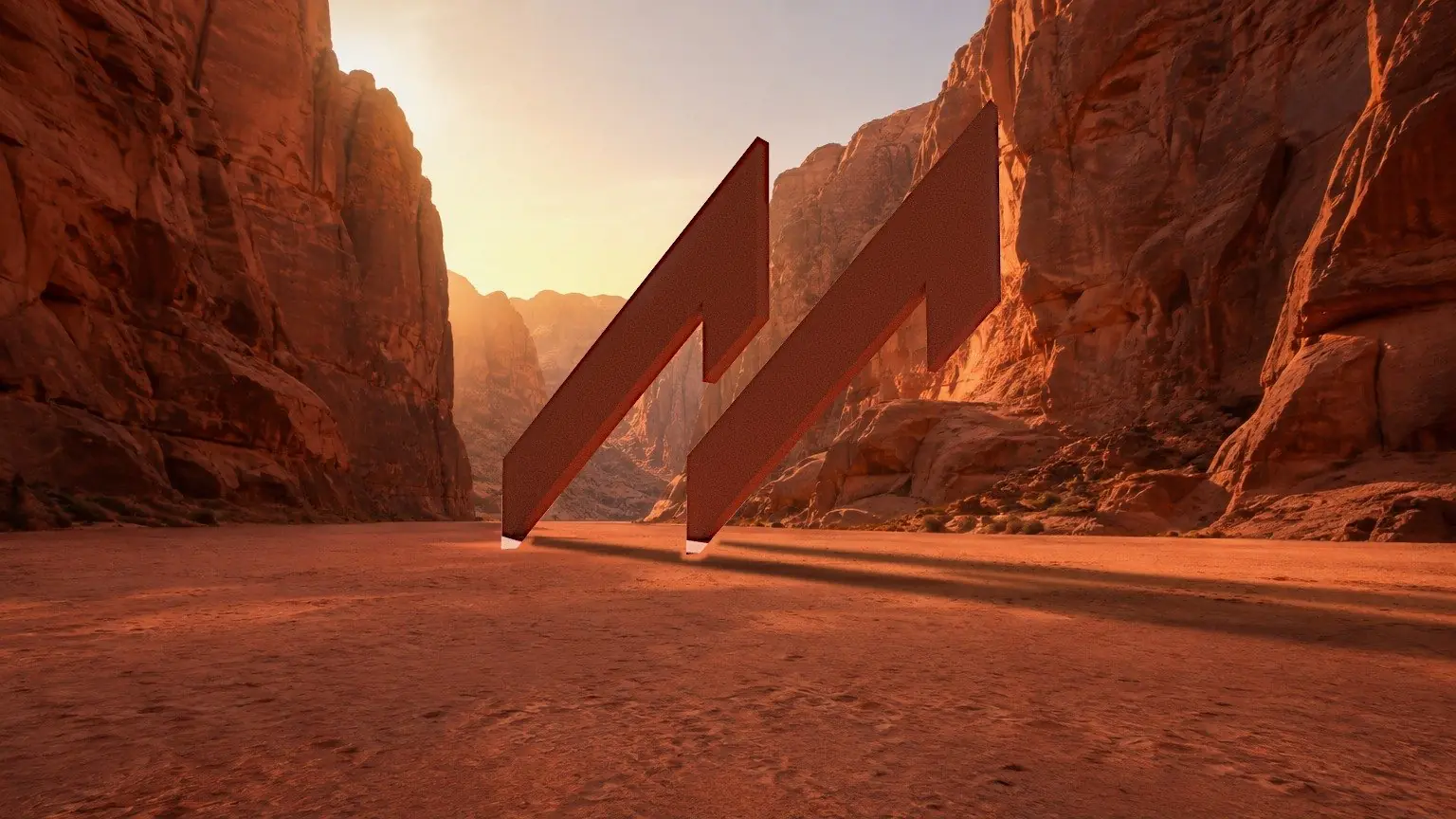
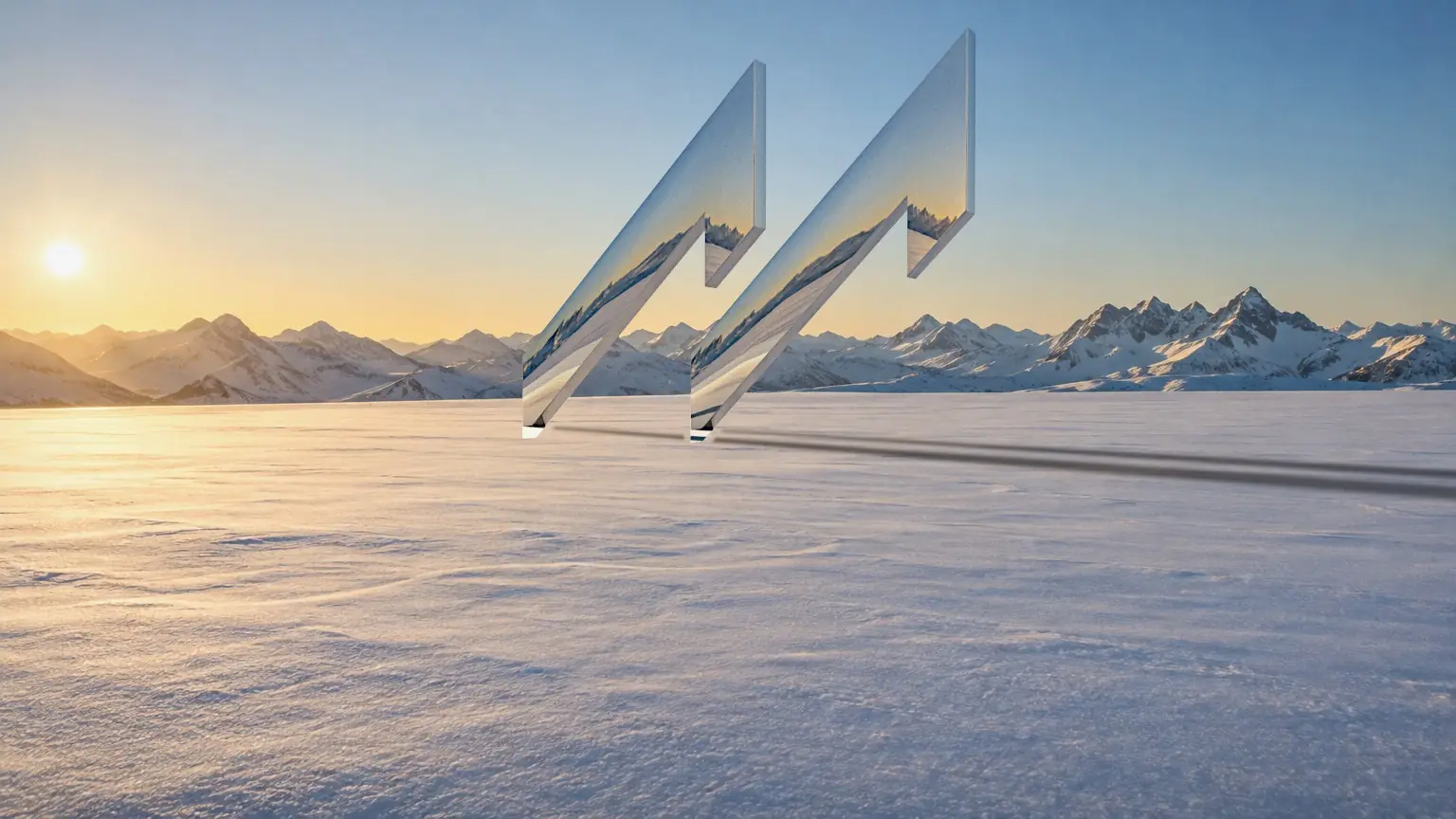
Worlds we built for the pair.
CGI and generated worlds are part of what we make. The tools draw the first versions. Composition, light and the final frame are chosen by people.

See the full process
Ideate, test with AI, shoot proven.
This page is the thinking behind stage three of the MUUS Method. The whole process, discover to measure, is on its own page.
Questions
Questions.
Does MUUS use AI?
Yes, constantly, in the middle of the process: concepting, hook testing, research, first edits and variation at scale. What reaches a shoot day has already been tested.
Does AI replace the shoot?
No. Casting, direction on set, the final cut and the sign off on everything that ships stay with people, on every project.
What does “Designed, not generated” mean?
It means a person holds the pen. We use the tools wherever they make the work better, and a person makes every creative call.
Can MUUS build CGI and generated worlds for a brand?
Yes. CGI and generated worlds are part of Make, alongside films, photography and live moments, finished in the same studio.